

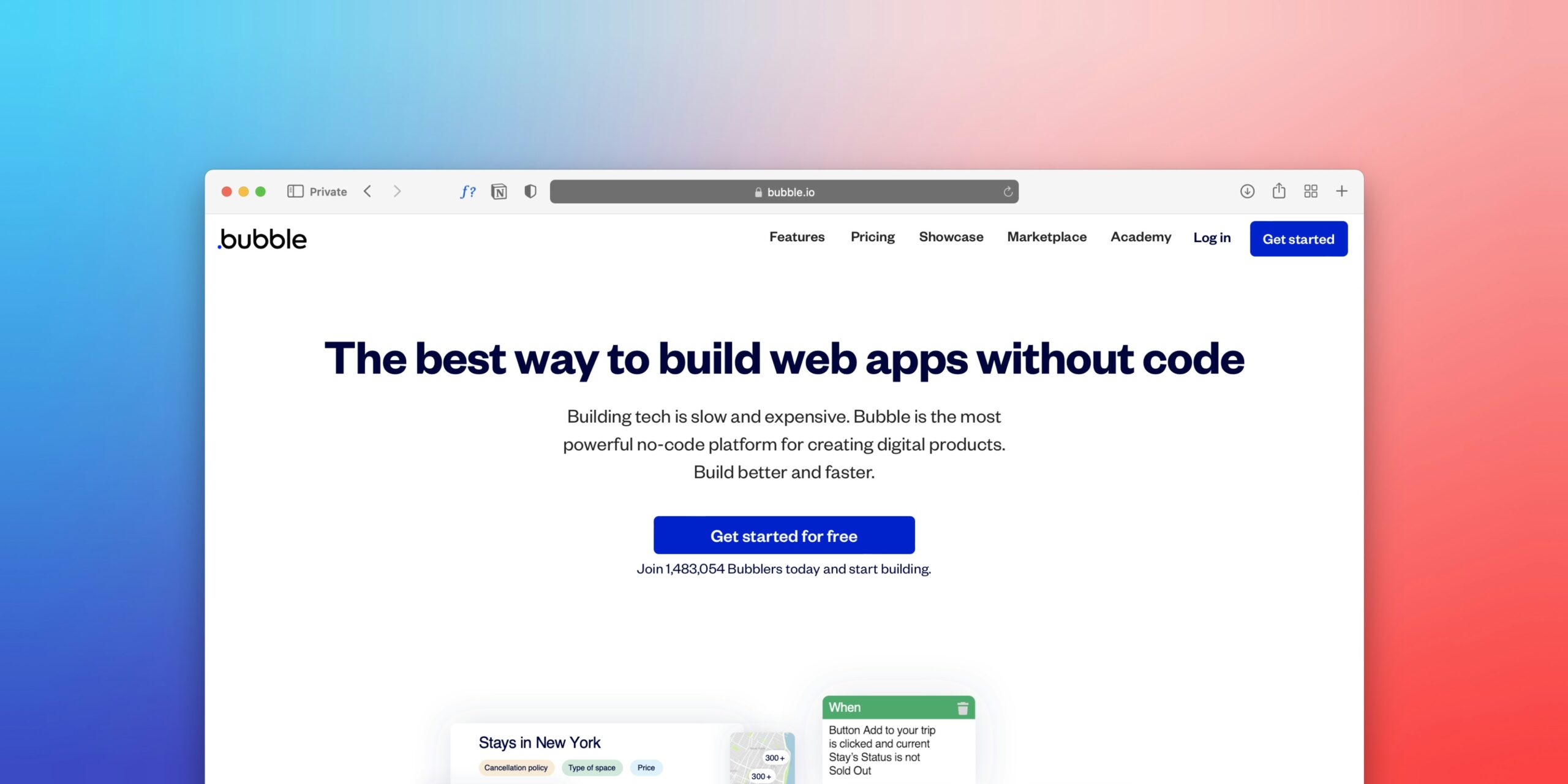
Introduction to No-Code Website Builders
No-code website builders have gained significant traction in recent years as an accessible solution for individuals and businesses looking to establish an online presence. These platforms enable users to create and manage websites without requiring any coding or programming expertise. Instead, they utilize visual interfaces, drag-and-drop functionality, and pre-designed templates to simplify the website development process. As a result, no-code website builders have democratized web design, allowing countless users to create professional-looking sites with ease.
The primary purpose of no-code website builders is to empower users by reducing the barriers traditionally associated with web development. Historically, creating a website necessitated a solid understanding of programming languages such as HTML, CSS, and JavaScript. However, with the advent of no-code tools, individuals with limited technical backgrounds can now launch their websites within a matter of hours or days, depending on their specific needs. These platforms cater to a diverse audience, including entrepreneurs, small business owners, bloggers, and even educators, making the process of building a website more inclusive.
No-code website builders typically offer a range of features designed to enhance user experience. They often include integrated content management systems for easy editing and publishing, responsive designs that adapt to various devices, and built-in SEO tools to help improve visibility on search engines. Additionally, users can customize their websites using various themes and plugins, expanding functionality to include e-commerce capabilities, member areas, and more.
As we delve deeper into the pros and cons of utilizing no-code website builders, it’s essential to consider the implications of their widespread adoption. By understanding both the advantages and drawbacks, users can make informed decisions about their website development journey and fully leverage these innovative platforms.
Advantages of No-Code Website Builders
No-code website builders have gained significant traction in recent years, primarily due to their user-friendly nature and empowering effects on individuals and small businesses. One of the primary advantages of these platforms is their ease of use. Designed for those who lack technical expertise, no-code builders offer an intuitive interface that simplifies the website creation process. Users can drag and drop elements, edit content, and customize layouts without the complexity of coding, making it accessible for anyone, regardless of their background.
Another notable benefit of no-code website builders is their cost-effectiveness. Developing a website can be costly, especially when hiring skilled developers and designers. By utilizing these platforms, individuals and small businesses can save on labor costs while still creating a professional-looking website. This affordability allows for the allocation of resources to other areas of a project or venture, enabling greater overall efficiency.
Additionally, no-code website builders facilitate rapid website creation. With pre-designed templates and modules, users can build and launch their websites in a fraction of the time it would take through traditional development methods. This speed is particularly advantageous for businesses seeking to establish their online presence quickly, allowing them to get their products or services to market without unnecessary delays.
Customization options offered by no-code platforms further enhance their appeal. Many modern builders provide a range of templates and design tools that enable users to reflect their brand identity and tailor the user experience to their target audience. The flexibility in customization not only improves aesthetic appeal but also contributes to more effective engagement with visitors. Overall, no-code website builders present a compelling solution for anyone looking to create an online presence without the barriers typically associated with traditional web development.
Time Efficiency: Building Websites Faster
No-code website builders have revolutionized the way individuals and businesses approach web development, particularly regarding time efficiency. Traditional website development often requires coding knowledge and extensive experience, which can lead to prolonged project timelines. In contrast, no-code platforms enable users to launch websites significantly faster by offering intuitive workflows designed for both experienced users and novices alike.
One of the primary features contributing to this efficiency is the availability of pre-built templates. These templates cover a diverse range of industries and can be customized to meet specific needs, allowing users to focus their efforts on content and design rather than starting from scratch. As a result, the time spent conceptualizing and structuring a website can be drastically reduced. The drag-and-drop functionality available in most no-code builders further streamlines the design process. Users can effortlessly place elements such as text boxes, images, and videos into their layout without the hindrance of writing code, which enhances productivity.
The overall impact on project timelines, especially for startups and small businesses, is considerable. In an environment where speed to market can be a crucial differentiator, the ability to create websites efficiently allows companies to allocate resources more effectively. By minimizing the time required for web development, businesses can redirect their focus toward marketing strategies, customer engagement, and other critical aspects vital for growth and competitiveness. Furthermore, this quick turnaround can also result in faster iterations and adjustments based on user feedback, thereby enhancing the site’s performance and user experience.
Moreover, with rapid developments in the digital landscape, the capacity to promptly adapt and modify a business’s online presence is invaluable. No-code website builders thus prove to be an essential tool for those aiming to establish a robust web presence efficiently.
Cost-Effectiveness of No-Code Solutions
No-code website builders have gained traction as a cost-effective alternative to traditional web development methods. The financial benefits of utilizing these platforms can be substantial, particularly for small businesses and startups that may have limited resources. One primary advantage is the significant savings on hiring professional web developers or designers. The hourly rates for these skilled professionals can be substantial, often amounting to hundreds of dollars per hour, depending on their expertise and location. By opting for no-code solutions, businesses can bypass these costs and create a functional website themselves.
Moreover, no-code platforms typically operate on a subscription model, which presents a predictable expense. This model allows users to choose from various pricing tiers depending on their needs, giving them the flexibility to scale their plans as their business grows. While initial costs for subscription services may vary, they generally remain lower than the cumulative costs involved in hiring a team of designers and developers for all phases of website creation, from conceptualization to deployment.
In addition to reduced initial expenditures, ongoing maintenance costs are another consideration. Custom-built websites usually demand continuous updates, which can incur further costs as developers may charge an hourly fee for their services. Alternatively, no-code solutions offer user-friendly interfaces that allow business owners to perform updates and maintenance themselves at no extra charge. This ease of use further reduces operational expenditures and enables business owners to focus their resources on other critical areas of their operations.
Overall, the cost-effectiveness of no-code website builders can provide distinct advantages for entrepreneurs seeking to establish an online presence without incurring exorbitant expenses. As businesses evolve, these platforms facilitate scaling without a corresponding increase in initial financial commitment, making them an appealing option for many.
Limitations of No-Code Website Builders
No-code website builders have gained popularity for their user-friendly interfaces, allowing individuals without technical skills to create websites efficiently. However, it is essential to consider their limitations, which can hinder long-term success and adaptability of a website. One significant drawback is the customization restrictions. While many no-code platforms offer pre-designed templates, these can limit creativity and personalization. Users may find it difficult to adjust the look and feel of their sites beyond the options provided, ultimately affecting brand identity.
Another concern revolves around search engine optimization (SEO). No-code website builders often have limited capabilities in terms of customizing SEO settings. While basic SEO features may be available, such as title tags and meta descriptions, advanced functionalities like structured data or in-depth analytics may not be supported. This limitation can significantly impact a website’s visibility in search engine results, potentially hindering organic traffic growth.
Performance issues can also arise with no-code website builders. These platforms may not optimize sites for speed and responsiveness as effectively as manually coded alternatives. Slow-loading pages can deter users and lead to higher bounce rates, negatively influencing user experience and search engine rankings. Similarly, scalability can pose a challenge. As a business grows, its website will likely require more features and capabilities. No-code solutions may struggle to accommodate increased demands, prompting the need for a more robust platform later.
Furthermore, the risk of vendor lock-in exists when utilizing these platforms. Businesses become dependent on a specific no-code builder, making it cumbersome to migrate to another service if the need arises. This can limit flexibility and adaptability in the long run, prompting organizations to think critically about their choice of a website-building solution.
Customization and Design Flexibility
No-code website builders have gained popularity due to their user-friendly interface and streamlined approach to web development. They typically provide a range of design templates that allow users to create websites without extensive programming knowledge. These templates vary in style, catering to diverse industries and personal preferences, making it easy for users to find a starting point for their website. However, while this may appear to offer significant advantages, it also presents limitations in terms of customization and design flexibility.
The level of personalization achievable with no-code builders often depends on the specific platform being used. Many platforms allow users to modify colors, fonts, and layouts to some degree. Nevertheless, these adjustments occur within the constraints of pre-designed templates, which can restrict a brand’s ability to achieve a truly unique look and feel. For businesses aiming for distinctive branding, this can be a substantial drawback, as their websites may not stand out from competitors using the same templates.
Furthermore, while some no-code platforms offer advanced design features such as custom CSS, these options may also be limited compared to what can be achieved through custom-coded websites. A bespoke site built by a professional developer allows for infinite customization possibilities, enabling brands to incorporate intricate design elements and functionality tailored specifically to their needs.
In addition, the reliance on third-party templates can create a uniformity among websites, potentially making it more challenging for businesses to differentiate themselves in saturated markets. Ultimately, while no-code website builders provide a valuable solution for those seeking quick and cost-effective website creation, the trade-off is often a lack of extensive customization and design flexibility. As such, branding-conscious users must weigh these factors when deciding whether a no-code approach aligns with their overall vision and objectives.
SEO and Performance Considerations
The advent of no-code website builders has democratized web development, allowing individuals and businesses to create and manage websites without deep technical skills. However, as these platforms become increasingly popular, it is important to assess their impact on SEO and overall performance. One primary concern for users is the effect of these tools on search engine rankings. While no-code builders can produce visually appealing sites, they may not always generate the clean, optimized code that traditional development methods achieve. This can lead to challenges in how search engines index and rank the site, potentially hindering visibility.
Another critical aspect to consider is the speed optimization of websites created with no-code platforms. Many builders offer a range of templates and features that may contribute to slower load times if not used judiciously. Page speed is a crucial factor in both user experience and SEO. A slow-loading website can frustrate visitors, leading to higher bounce rates and lower engagement, which in turn can negatively impact search rankings. Therefore, it is essential for users to regularly audit their site’s performance and make necessary adjustments, such as optimizing images and minimizing unnecessary scripts.
Mobile responsiveness is also a significant factor to evaluate when using no-code website builders. As mobile device usage continues to rise, it is increasingly important for websites to be designed responsively to provide an optimal viewing experience across various screen sizes. While many no-code platforms claim to facilitate mobile-friendly designs, users must ensure that their chosen template is genuinely responsive and offers an equally satisfactory performance on mobile as on desktop devices. By addressing these aspects—SEO, load speed, and mobile responsiveness—users can better leverage no-code website builders to enhance their presence online while providing a quality experience for visitors.
Use Cases and Success Stories
No-code website builders have gained substantial traction in recent years, providing individuals and businesses across various sectors with tools that facilitate website creation without the need for extensive coding knowledge. One prominent example is a small e-commerce business that utilized a no-code platform to launch its online store. By leveraging the drag-and-drop features, the owner was able to set up an aesthetically pleasing site, integrate payment processing, and establish a product catalog without hiring a developer. Within six months, the business reported a 200% increase in sales, demonstrating the effectiveness of no-code solutions in the online retail space.
In the realm of education, a local training institute adopted a no-code website builder to create an informative site for its new courses. The institution wanted to provide prospective students with easy access to course information, registration, and resources. By using a no-code platform, they quickly designed a responsive and user-friendly website. Consequently, the institute witnessed an enrollment surge of 30% in the following semester, indicating the platform’s impact on its student outreach efforts. This case exemplifies how no-code tools can bridge the gap between organizations and their target audience seamlessly.
Furthermore, non-profit organizations have also benefitted significantly from no-code website builders. A charity organization focused on environmental conservation utilized these tools to create a campaign site to raise awareness and funds. With limited resources for website development, the organization found no-code solutions to be a vital asset. The site not only attracted over 5,000 unique visitors in its first month but also generated significant donations, accelerating their charitable initiatives. Such success stories highlight how no-code platforms can cater to varied user needs across multiple sectors, helping businesses to thrive by enabling rapid deployment and scalability.
Conclusion: Weighing Your Options
As the digital landscape becomes increasingly competitive, the choice of how to create and maintain a website is critical for individuals and businesses alike. Utilizing a no-code website builder presents a range of advantages, such as ease of use, cost-effectiveness, and accessibility for those without technical expertise. These platforms empower users to design and launch websites quickly, providing a streamlined approach that can be beneficial for small businesses or personal projects. The drag-and-drop interfaces, pre-built templates, and robust support systems offered by no-code builders can help individuals to achieve their website objectives without the need for extensive coding knowledge.
However, it is essential to consider the limitations associated with no-code solutions. While they promote quick deployment, these tools may impose restrictions on customization, performance, and scalability. Users may encounter difficulties when attempting to implement unique features or when their projects outgrow the platform’s capabilities. Additionally, relying solely on a no-code website builder may inhibit the development of vital technical skills that could be beneficial in the long run.
Ultimately, the decision to use a no-code website builder should be informed by a careful assessment of your own goals, skills, and available resources. If your needs align with the strengths of these platforms, they can serve as a powerful tool to bring your vision to fruition. On the other hand, if customization and advanced functionalities are crucial for your project, exploring other development methods may yield better results. By weighing your options thoroughly, you can make an informed choice that best supports your objectives and ensures the long-term success of your website.


